Businesses across the United States generate massive amounts of data every day from applications, cloud services, customer interactions, connected devices, and business operations. While this information has tremendous value, it often remains scattered across multiple systems, making it difficult to access, analyze, and use effectively. As organizations continue to expand, managing disconnected data becomes increasingly challenging and can slow decision-making.
A unified data platform brings all business data together into a centralized environment, allowing teams to gain accurate insights, improve collaboration, and make faster decisions. Instead of spending valuable time searching for information across different sources, organizations can access trusted, real-time data from a single location. This article explains what a unified data platform is, how it works, its key features, and why it has become an essential part of modern enterprise data strategies.
What Is a Unified Data Platform?
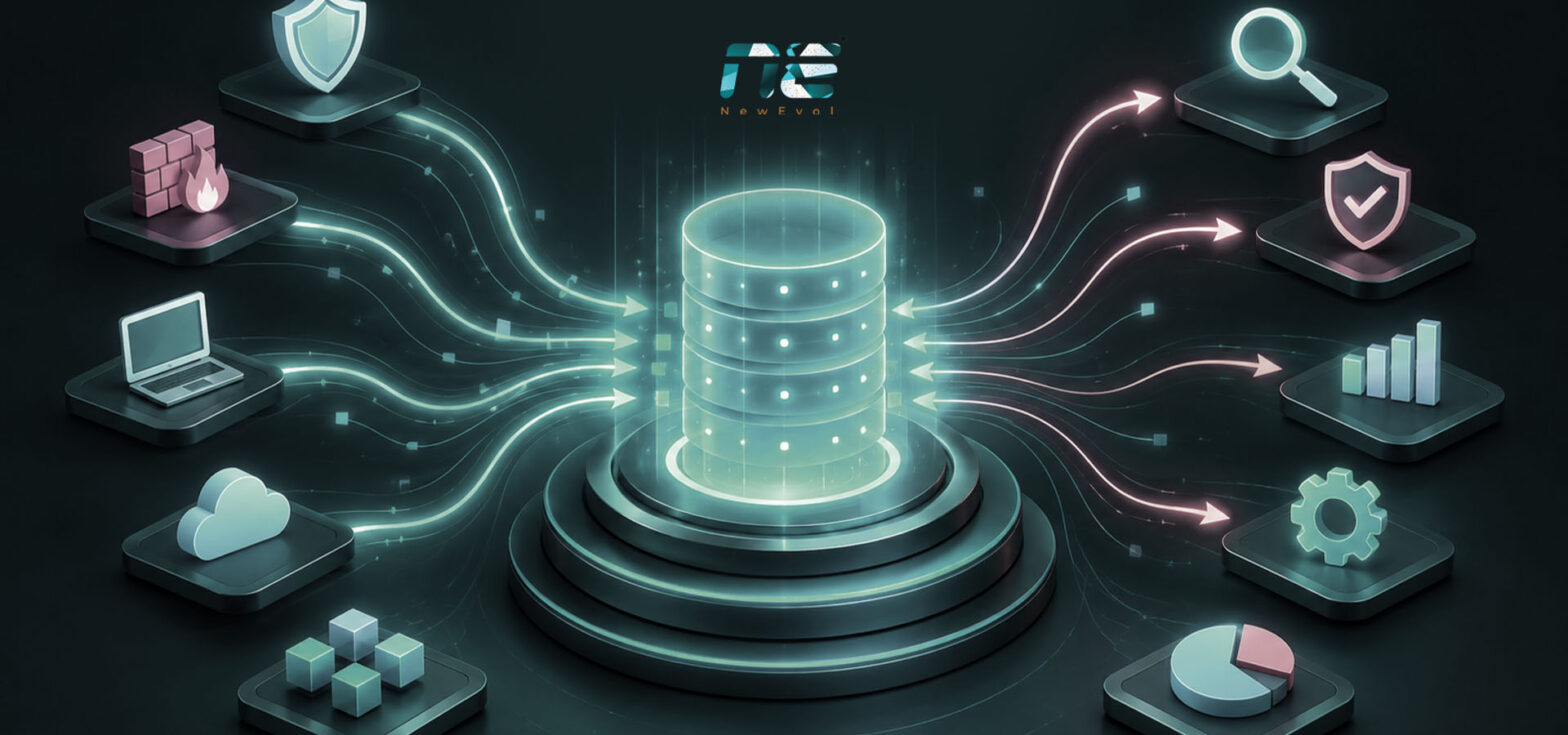
A unified data platform is a centralized system that collects, integrates, stores, manages, and analyzes data from multiple sources within an organization. Rather than keeping information in isolated databases or applications, it creates a single environment where data is organized, governed, and made available for analytics, reporting, and business operations.
Organizations often manage data from:
- Enterprise applications
- Customer relationship management (CRM) systems
- Enterprise resource planning (ERP) software
- Cloud services
- Databases
- IoT devices
- Security tools
- Web and mobile applications
Bringing these sources together creates a complete view of business operations and supports better decision-making across every department.
How a Unified Data Platform Works
The platform follows several key processes that transform raw information into meaningful business insights.
Data Collection
The first step is gathering structured and unstructured data from various internal and external systems. This may include cloud applications, databases, APIs, network devices, business software, and third-party services.
Data Integration
After collection, the platform cleans, standardizes, and combines data into a consistent format. This removes duplicate records and improves overall data quality.
Data Storage
Integrated data is securely stored in scalable repositories such as cloud storage, data lakes, or enterprise warehouses, making it available for future analysis.
Data Processing
Modern platforms continuously process incoming information, allowing organizations to monitor operations in near real time instead of relying only on scheduled reports.
Analytics and Reporting
Built-in analytics tools help users create dashboards, generate reports, identify trends, and uncover valuable business insights without manually combining data from multiple systems.
Key Features
Centralized Data Integration
One of the most valuable capabilities is combining information from multiple business systems into a single source of truth.
Benefits include:
- Improved data consistency
- Reduced duplication
- Better collaboration
- Easier reporting
- Faster decision-making
A centralized approach eliminates data silos that often prevent teams from working efficiently.
Real-Time Data Processing
Organizations no longer need to wait hours or days for updated reports.
Real-time processing enables businesses to:
- Monitor operations continuously
- Detect unusual activity quickly
- Improve customer experiences
- Respond faster to changing business conditions
- Support timely executive decisions
Access to current information creates significant operational advantages.
Data Governance
Effective governance ensures that business data remains accurate, reliable, and properly managed.
Strong governance practices include:
- Data ownership
- Standardized data definitions
- Quality controls
- Lifecycle management
- Audit tracking
- Regulatory compliance
Good governance increases confidence in business intelligence and analytics.
Security and Compliance
Protecting sensitive information remains a top priority for every organization.
Modern platforms typically include:
- Encryption
- Role-based access controls
- Identity management
- Multi-factor authentication
- Audit logs
- Compliance reporting
These capabilities help organizations strengthen data security while supporting industry regulations and internal governance policies.
AI and Machine Learning Support
Artificial intelligence is transforming how organizations analyze information.
Integrated AI capabilities help businesses:
- Detect patterns
- Forecast future trends
- Identify anomalies
- Automate routine analysis
- Improve operational efficiency
- Generate predictive insights
These capabilities allow leaders to make more informed business decisions using data-driven recommendations.
Scalable Cloud Architecture
Business data continues to grow rapidly.
A cloud-based architecture provides:
- Flexible storage capacity
- High availability
- Better disaster recovery
- Lower infrastructure costs
- Easier expansion
- Improved performance
Organizations can scale resources as business requirements evolve without major hardware investments.
Self-Service Analytics
Business users increasingly want direct access to information without depending on technical teams.
Self-service analytics allows employees to:
- Build dashboards
- Create reports
- Explore trends
- Visualize data
- Answer business questions independently
This improves productivity while reducing pressure on IT departments.
Benefits for Modern Businesses
A modern data strategy delivers advantages across every business function.
Some of the most significant benefits include:
Better Decision-Making
Leaders gain access to trusted, accurate information that supports faster and more confident decisions.
Improved Operational Efficiency
Automated data integration reduces manual work, allowing employees to focus on higher-value activities.
Enhanced Customer Experiences
Organizations can better understand customer behavior, personalize services, and respond more quickly to changing expectations.
Increased Productivity
Employees spend less time gathering information and more time acting on valuable insights.
Stronger Business Intelligence
Centralized reporting improves visibility into financial performance, operations, sales, customer engagement, and business growth.
Better Risk Management
Organizations can identify potential issues earlier through continuous monitoring, helping reduce operational and security risks.
Support for Digital Transformation
Reliable, accessible data enables organizations to adopt new technologies with greater confidence while supporting innovation across the enterprise.
Common Use Cases Across Industries
Healthcare
Healthcare providers integrate patient records, medical devices, laboratory systems, and administrative applications to improve patient care, streamline operations, and support regulatory compliance.
Financial Services
Banks and financial institutions use centralized data to strengthen fraud detection, improve customer insights, manage financial risks, and support regulatory reporting.
Manufacturing
Manufacturers combine production data, supply chain information, inventory systems, and equipment monitoring to improve operational efficiency, reduce downtime, and optimize production planning.
Retail and eCommerce
Retailers analyze customer behavior, sales trends, inventory levels, and purchasing patterns to improve demand forecasting, personalize customer experiences, and increase profitability.
Government
Government agencies consolidate information from multiple departments to improve public services, enhance transparency, strengthen cybersecurity, and make better policy decisions based on reliable data.
Best Practices for Successful Implementation
Building a successful data platform requires more than deploying new technology. Organizations should develop a clear strategy that aligns data initiatives with business goals.
Define Clear Business Objectives
Start by identifying the problems the platform should solve. Whether the goal is improving reporting, enhancing customer experiences, or supporting advanced analytics, clear objectives help guide implementation and measure success.
Assess Existing Data Sources
Review current applications, databases, cloud services, and data repositories to understand where information resides and identify integration requirements.
Establish Strong Data Governance
Create policies for data ownership, quality, privacy, retention, and access control. Well-defined governance improves consistency and ensures users can trust the information they rely on.
Prioritize Data Security
Protect sensitive business and customer information by implementing:
- Role-based access controls
- Data encryption
- Multi-factor authentication
- Continuous monitoring
- Regular security audits
Strong security practices reduce risk while helping organizations meet compliance requirements.
Build for Scalability
Choose an architecture that can grow with the business. As organizations generate more data, the platform should handle increasing workloads without sacrificing performance.
Encourage Cross-Department Collaboration
Data initiatives should involve business leaders, IT teams, security professionals, and operational departments. Collaboration ensures the platform supports organization-wide objectives rather than isolated business functions.
Invest in Employee Training
Providing training on analytics tools, dashboards, and data governance encourages adoption and helps employees make better use of available information.
Common Challenges and How to Overcome Them
Even with careful planning, organizations may encounter obstacles during implementation.
Data Silos
Departments often maintain separate systems that are difficult to integrate.
Solution: Use standardized integration methods and modern APIs to connect existing systems while gradually eliminating isolated data sources.
Poor Data Quality
Duplicate, incomplete, or inaccurate information reduces the value of analytics.
Solution: Implement automated data cleansing, validation rules, and ongoing quality monitoring.
Legacy Systems
Older applications may not easily connect with modern cloud environments.
Solution: Use middleware, integration platforms, and phased migration strategies to modernize existing infrastructure without disrupting business operations.
Security and Compliance Risks
Centralizing information increases the importance of protecting sensitive data.
Solution: Apply strong access controls, encryption, continuous monitoring, and compliance frameworks throughout the platform lifecycle.
User Adoption
Employees may hesitate to change familiar workflows.
Solution: Provide training, demonstrate business value, and offer user-friendly analytics tools that simplify everyday tasks.
Cost Management
Large data projects require ongoing investment.
Solution: Begin with high-value business use cases, measure outcomes, and expand gradually as measurable benefits are achieved.
How NewEvol Helps Organizations Build Smarter Data Strategies
Modern enterprises require more than data storage they need actionable insights, security, and intelligent automation. NewEvol helps organizations simplify complex data environments by supporting centralized data management, advanced analytics, automation, and security-focused operations.
Its solutions are designed to improve visibility across business systems while enabling faster decision-making through integrated analytics and scalable cloud capabilities. By combining modern technologies with industry best practices, NewEvol helps businesses strengthen operational efficiency, improve governance, and unlock greater value from enterprise data.
Conclusion
Data has become one of the most valuable assets for organizations, but its true value depends on how effectively it is managed and used. A centralized approach to data management enables businesses to connect information from multiple systems, improve visibility, strengthen governance, and support faster, more informed decisions.
Organizations that invest in scalable architecture, strong data governance, real-time analytics, and robust security are better prepared to respond to changing market conditions and customer expectations. Whether the goal is improving operational efficiency, supporting AI initiatives, or enhancing business intelligence, a modern data strategy creates a strong foundation for sustainable growth.
As technology continues to evolve, businesses that modernize their data infrastructure will be better positioned to innovate, improve customer experiences, and maintain a competitive advantage in an increasingly data-driven economy.
Frequently Asked Questions
1. What is a unified data platform?
A unified data platform is a centralized system that collects, integrates, stores, manages, and analyzes data from multiple business sources. It provides a single, trusted environment for reporting, analytics, and decision-making.
2. How does a unified data platform work?
It gathers data from various applications and databases, standardizes the information, stores it securely, and makes it available through dashboards, reports, and analytics tools for business users and decision-makers.
3. What are the benefits of a centralized data platform?
Key benefits include improved decision-making, better data quality, stronger governance, enhanced security, faster reporting, reduced operational complexity, and improved collaboration across departments.
4. How does it improve business intelligence?
By consolidating data from multiple sources, organizations gain access to consistent and accurate information. This enables more reliable reporting, deeper insights, predictive analytics, and faster strategic decision-making.
5. Is a unified data platform suitable for small and medium-sized businesses?
Yes. Modern cloud-based solutions allow businesses of all sizes to implement scalable data platforms that fit their budgets while improving operational efficiency, reporting, and long-term growth.
6. How does a unified data platform support AI and analytics?
It provides clean, centralized, and well-governed data that AI models and analytics tools can use to generate accurate insights, automate processes, identify trends, and support smarter business decisions.