
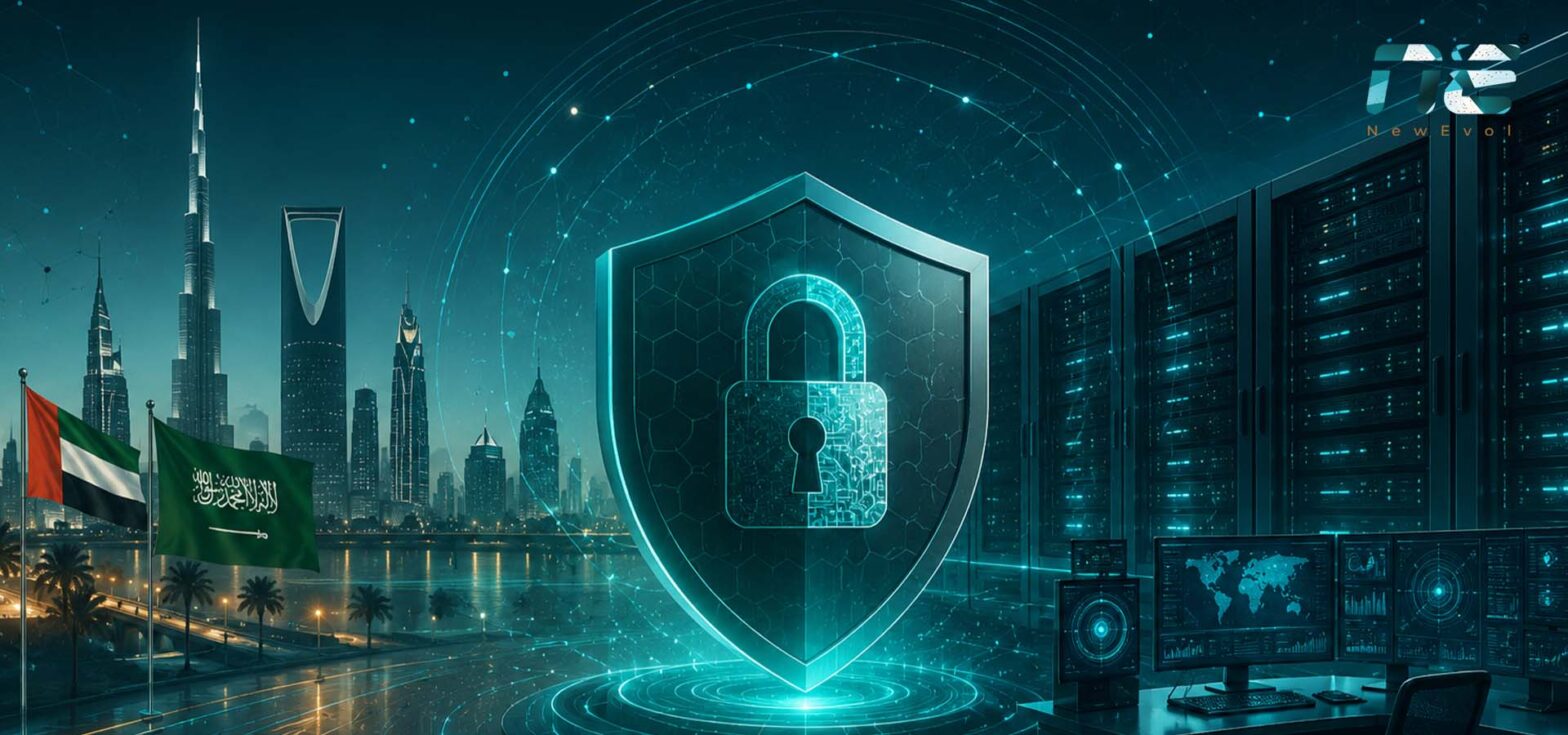
Government agencies and critical infrastructure organizations operate under some of the strictest cybersecurity requirements in the world. They are responsible for protecting sensitive citizen information, national assets, public services, and classified intelligence from increasingly sophisticated cyber threats. Unlike many commercial enterprises, these organizations must balance security, compliance, operational continuity, and national interests while maintaining uninterrupted public services.
Security Operations Centers (SOCs) play a central role in this mission by continuously monitoring security events, identifying threats, and coordinating incident response. However, selecting the right deployment model for a Security Information and Event Management (SIEM) platform is just as important as selecting the technology itself.
For many public sector organizations across the UAE and Saudi Arabia, on prem siem uae deployments continue to offer advantages that align with government security policies, regulatory obligations, and operational requirements. Rather than relying entirely on external infrastructure, many agencies choose to maintain complete ownership of their security environment to strengthen visibility, governance, and resilience.
This article explains why on-premises SIEM remains a preferred option for many government SOCs and the architectural considerations that security leaders should evaluate before deployment.
Why Government SOCs Have Different Security Requirements
Government cybersecurity environments differ significantly from those of commercial organizations. Their responsibility extends beyond protecting business operations they safeguard national interests, essential public services, and sensitive government information.
Several factors make these environments unique.
Protection of Classified Information
Government departments often manage classified records, intelligence reports, defense communications, and confidential citizen information. Unauthorized access or data leakage could have serious national security implications.
As a result, security monitoring systems must operate within tightly controlled environments that minimize unnecessary exposure.
Critical Infrastructure Protection
Power generation, water utilities, transportation systems, healthcare services, and emergency response networks form the backbone of national infrastructure. These sectors have become frequent targets of ransomware groups, nation-state attackers, and advanced persistent threats.
Continuous monitoring helps identify suspicious activity before it affects essential services.
Higher Availability Requirements
Government services must remain available around the clock. Even a short disruption may affect emergency services, financial systems, or public safety operations.
Security platforms therefore require high availability, redundancy, and carefully planned disaster recovery capabilities.
Long-Term Data Retention
Many government organizations retain security logs for several years to support investigations, compliance audits, and forensic analysis. Managing this volume of information requires scalable storage and efficient log management strategies.
Data Sovereignty and National Compliance
One of the strongest reasons governments continue choosing on-premises SIEM is data sovereignty.
Data sovereignty means that information remains under the legal jurisdiction of the country where it is collected. Many government agencies require security logs, audit records, and operational data to remain inside national borders to satisfy internal governance policies and regulatory requirements.
Security logs often contain:
- User authentication records
- Network activity
- Administrative actions
- System configurations
- Security alerts
- Incident investigations
These records provide valuable intelligence for attackers if compromised. Keeping them within government-controlled infrastructure helps reduce unnecessary exposure while simplifying oversight.
Local data storage also supports:
- Regulatory compliance
- Internal auditing
- Digital evidence preservation
- Secure investigation processes
- Government risk management policies
Maintaining complete control over security telemetry allows agencies to implement their own encryption standards, access controls, and retention policies without depending on external hosting environments.
Benefits of On-Premises SIEM for Government Security Operations
An on-premises deployment offers several operational advantages for public sector SOCs.
Complete Operational Control
Government security teams maintain ownership of every component supporting the SIEM environment.
This includes:
- Hardware infrastructure
- Network architecture
- Storage systems
- Security policies
- Configuration management
- Software updates
Direct administrative control allows organizations to align security operations with internal governance frameworks and established change management procedures.
Maximum Data Privacy
Sensitive security information never needs to leave the organization’s-controlled infrastructure.
This approach supports:
- Local log retention
- Restricted administrator access
- Internal encryption management
- Strong audit controls
- Segregated security environments
For agencies managing classified or highly confidential information, maintaining physical control over security data can simplify governance and reduce operational concerns.
Reduced External Dependencies
Government operations often prioritize long-term stability over rapid infrastructure changes.
An on-premises deployment reduces reliance on external connectivity for core monitoring functions, allowing security teams to continue operating during internet disruptions or restricted connectivity scenarios.
It also enables organizations to manage maintenance schedules, software validation, and upgrades according to internal approval processes rather than external timelines.
Custom Security Architecture
Every government organization has unique operational requirements.
Some ministries monitor thousands of endpoints, while defense organizations may oversee isolated networks with specialized security controls.
An on-premises SIEM allows security architects to design environments that reflect these operational realities, including:
- Network segmentation
- Multiple security zones
- Custom alert workflows
- Department-specific monitoring rules
- Dedicated investigation environments
Such flexibility enables SOC teams to tailor detection and response processes to the needs of individual agencies while maintaining centralized oversight.
Supporting Air-Gapped and Highly Restricted Networks
Many defense organizations and national security agencies operate air-gapped or highly restricted environments that have little or no direct internet connectivity.
These isolated networks are designed to reduce exposure by separating critical systems from external communication channels. Although disconnected, they still generate valuable security data that must be collected, analyzed, and retained.
An on-premises SIEM supports these environments by enabling local log collection, secure event correlation, and offline threat investigations without requiring continuous internet access. Controlled software updates, removable media procedures, and internal validation processes further help maintain the integrity of sensitive environments.
This deployment model allows government SOC teams to maintain comprehensive visibility while respecting strict operational and security requirements.
Integration with Existing Government Infrastructure
Government organizations have invested heavily in cybersecurity technologies over many years. Replacing these systems during a SIEM deployment is rarely practical, making integration one of the most important planning considerations.
An on-premises SIEM should work seamlessly with existing infrastructure, including:
- Active Directory and identity management systems
- Firewalls and network security appliances
- Endpoint detection and response (EDR) platforms
- Database and application servers
- Email security solutions
- Legacy government applications
- Custom security tools
By integrating these systems into a centralized Security Operations Center (SOC), analysts gain a unified view of security events across the environment. This reduces alert silos, improves threat investigation, and enables faster incident response without disrupting existing investments.
Scalability for National SOC Operations
Government SOCs often monitor multiple ministries, regional offices, and critical infrastructure sites. As digital services expand, security platforms must support increasing event volumes while maintaining performance.
Key scalability considerations include:
- Distributed log collection across multiple locations
- High events-per-second (EPS) processing capacity
- Long-term log retention for compliance
- High availability and disaster recovery
- Centralized monitoring for multiple agencies
A scalable architecture ensures that the SIEM continues to perform efficiently as security requirements grow.
Security Architecture Considerations Before Deployment
Successful implementation begins with careful planning. Security leaders should evaluate infrastructure requirements before deployment, including hardware sizing, storage capacity, network segmentation, backup strategies, role-based access control, encryption, patch management, and disaster recovery planning. These elements help ensure reliable operations while supporting compliance and long-term resilience.
When Is On-Premises SIEM the Preferred Choice?
On-premises deployments are often the preferred option for organizations that manage highly sensitive information or operate under strict regulatory requirements. Examples include:
- Defense organizations
- Government ministries
- Intelligence agencies
- Energy and oil & gas operators
- Public utilities
- Transportation authorities
- Healthcare organizations
- Smart city command centers
For these environments, maintaining direct control over infrastructure, security data, and operational processes can simplify governance and reduce external dependencies.
Looking Ahead
As governments modernize their cybersecurity strategies, many SOCs are adopting AI-assisted analytics, automation, and advanced threat intelligence. While hybrid architectures continue to evolve, on-premises deployments remain essential for organizations requiring complete control over sensitive environments.
Platforms such as NewEvol support flexible deployment models that align with government security requirements while allowing agencies to modernize at their own pace. Choosing the right SIEM architecture should always be based on operational needs, compliance obligations, and long-term cybersecurity objectives rather than deployment trends alone.
Conclusion
Selecting the right SIEM deployment model is a strategic decision for government agencies and critical infrastructure operators. While cloud technologies continue to evolve, on-premises SIEM remains an important choice for organizations that require complete control over sensitive data, strict compliance with national regulations, and secure operation within highly restricted environments.
For government SOCs in the UAE and Saudi Arabia, factors such as data sovereignty, operational resilience, long-term log retention, and integration with existing infrastructure often make on-premises deployments the most practical option. A well-planned architecture helps security teams improve visibility, strengthen incident response, and maintain continuous protection for critical services.
As cybersecurity threats become more sophisticated, organizations should evaluate their operational requirements, regulatory obligations, and future scalability before selecting a deployment model. Platforms like NewEvol demonstrate how flexible SIEM architectures can support government-grade security while adapting to evolving operational needs.
Frequently Asked Questions (FAQs)
1. What is an on-premises SIEM?
An on-premises SIEM is a Security Information and Event Management platform installed and managed within an organization’s own data center or private infrastructure. It provides centralized monitoring, log collection, threat detection, and incident investigation while keeping security data under the organization’s direct control.
2. Why do UAE government agencies prefer on-premises SIEM?
Many UAE government organizations prioritize on-premises SIEM to meet data sovereignty requirements, protect sensitive information, maintain operational control, and comply with national cybersecurity policies.
3. Is on-premises SIEM suitable for Saudi government SOCs?
Yes. Government agencies, defense organizations, and critical infrastructure operators in Saudi Arabia often choose on-premises SIEM because it supports strict security controls, regulatory compliance, and secure management of sensitive operational data.
4. What is data sovereignty in cybersecurity?
Data sovereignty means that digital information is stored and managed within the legal jurisdiction of a specific country. This helps organizations comply with national regulations governing data storage, access, and protection.
5. Can an on-premises SIEM support air-gapped networks?
Yes. On-premises SIEM platforms can monitor security events in isolated or air-gapped environments by collecting and analyzing logs locally without requiring continuous internet connectivity.