
Threat Intel
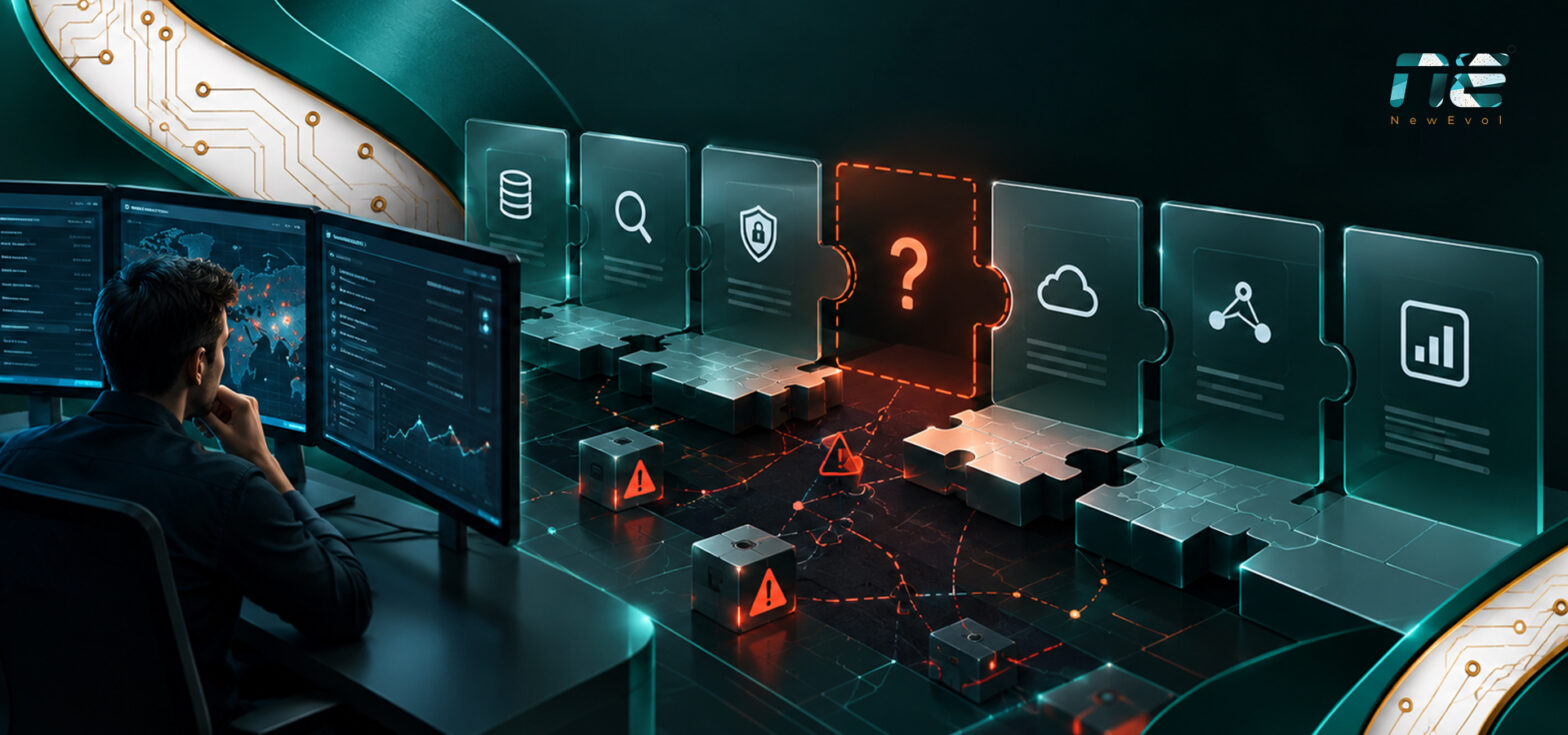
Threat Hunting Costs: How Per-Module SIEM Pricing Limits Coverage
Most SIEM buying decisions start with a price comparison. Security leaders review quotes, compare licence tiers, and pick the option that fits the budget. That's reasonable, but it can hide a more important question: how much of your environment will your team actually be able to see and inves...


NESA Aligned Threat Detection: A Buyer’s Guide for UAE Enterprises
Many threat detection products sold in the UAE come with a familiar promise: "NESA ready" or "compliance-ready out of the box." For a CISO or IT Head under pressure to close audit gaps, that promise is appealing. Taken at face value, it is also misleading.
A security platform can suppor...
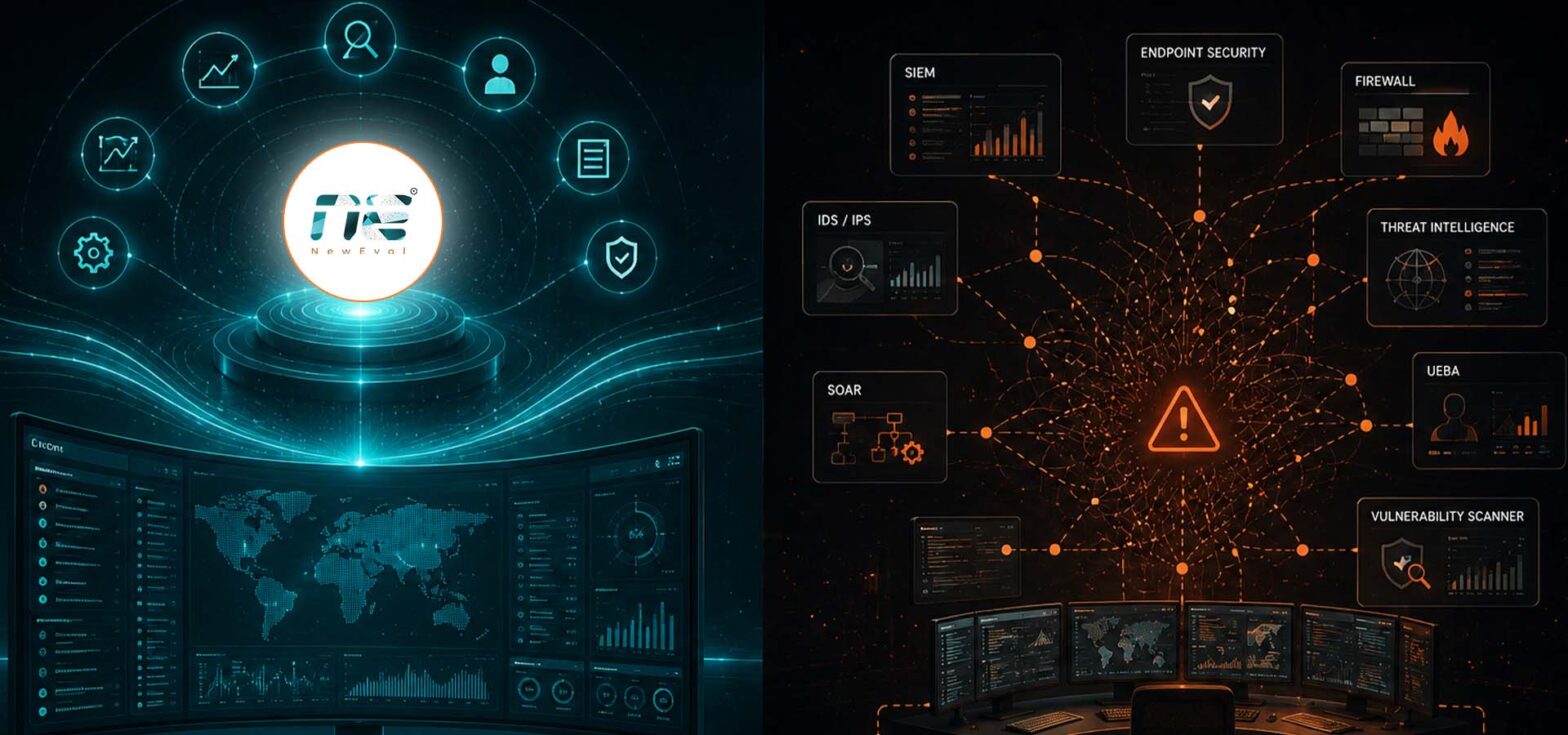
Threat Hunting Without Hidden Per-Module SIEM Costs
Threat hunting has moved from a nice-to-have activity to a core part of proactive security operations. Instead of waiting for alerts, security teams now actively search for signs of compromise across logs, endpoints, network traffic, and cloud environments. This shift has changed what organiza...

Modernizing Government SOCs: Building the Next Generation of Cyber Defense
Public institutions support services people depend on every day, including healthcare, transportation, public safety, taxation, education, utilities, and citizen identity systems. When a cyber incident disrupts these services, the impact can affect public trust, economic activity, emergency re...

Network Threat Monitoring in Real-Time
Your network is one of the most valuable targets for attackers. It connects users, devices, applications, cloud services, and critical business systems. Every login request, file transfer, remote session, and application connection travels through it. That also means every malicious attempt of...

Real-Time Threat Monitoring for Cloud Security
Cloud environments have transformed the way businesses operate. Organizations now rely on cloud platforms for applications, storage, collaboration, scalability, and business continuity. Whether using public cloud, private cloud, or hybrid infrastructure, the cloud delivers speed and flexibilit...

Machine Learning for Threat Detection
Cyber threats are evolving faster than traditional security methods can keep up. Attackers constantly change techniques, automate campaigns, and use stealth tactics designed to bypass rule-based defenses. In this environment, relying only on static signatures or manual monitoring is no longer ...

AI in Real-Time Threat Detection: Smarter Cyber Defense at Machine Speed
Every second, enterprise systems generate thousands of security signals, login attempts, endpoint events, network requests, cloud activities, and user behaviors. Hidden among them may be the earliest signs of a cyberattack.
The challenge is not lack of data. It is identifying real threa...

Real-Time Threat Monitoring Tools & Platforms: Staying Ahead of Modern Cyber Risks
Cyber threats do not wait for scheduled reviews or monthly reports. They move in real time, often within minutes, exploiting vulnerabilities, stealing credentials, and disrupting operations before organizations realize what has happened. This is why real-time threat monitoring has become a cri...

Key Components of a Real-Time Threat Monitoring System
Modern cybersecurity is no longer defined by whether threats exist, but by how quickly they are understood and contained. Real-time threat monitoring has emerged as a foundational capability, enabli...