
Blog
PDPL Compliance in the GCC: What It Means for Security Monitoring
Every security log tells a story about people. A failed login records a username. A firewall event captures an IP address. An endpoint alert links a device to the employee who uses it. When a SOC investigates an incident, it often reconstructs exactly what specific individuals did, and when.

Decision Support Systems in SOAR: What They Do and Why Analysts Need Them
"Decision support" comes up in almost every SOAR demonstration. A recommended action appears on screen, a risk score sits beside it, and the presenter calls it decision support. Yet buyers, analysts, and vendors rarely mean the same thing by the term.
That gap matters. If a team cannot ...
SAMA Cybersecurity Framework: SIEM Requirements for Saudi Banks
The Saudi Central Bank (SAMA) Cyber Security Framework mostly reads as a governance document. It covers leadership, risk management, operations, and third-party security, and describes each area in terms of principles, objectives, and control considerations. A bank's security team has to go on...
Threat Hunting Costs: How Per-Module SIEM Pricing Limits Coverage
Most SIEM buying decisions start with a price comparison. Security leaders review quotes, compare licence tiers, and pick the option that fits the budget. That's reasonable, but it can hide a more important question: how much of your environment will your team actually be able to see and inves...

NESA Aligned Threat Detection: A Buyer’s Guide for UAE Enterprises
Many threat detection products sold in the UAE come with a familiar promise: "NESA ready" or "compliance-ready out of the box." For a CISO or IT Head under pressure to close audit gaps, that promise is appealing. Taken at face value, it is also misleading.
A security platform can suppor...

Single Console SIEM: Why Tool Sprawl Wears Out SOC Analysts
Most conversations about security tool sprawl start with a licence renewal spreadsheet. Someone counts the tools, adds up the annual spend, and asks whether the organisation really needs all of them.
That is a fair question, but it measures the wrong thing. The bigger operational cost o...
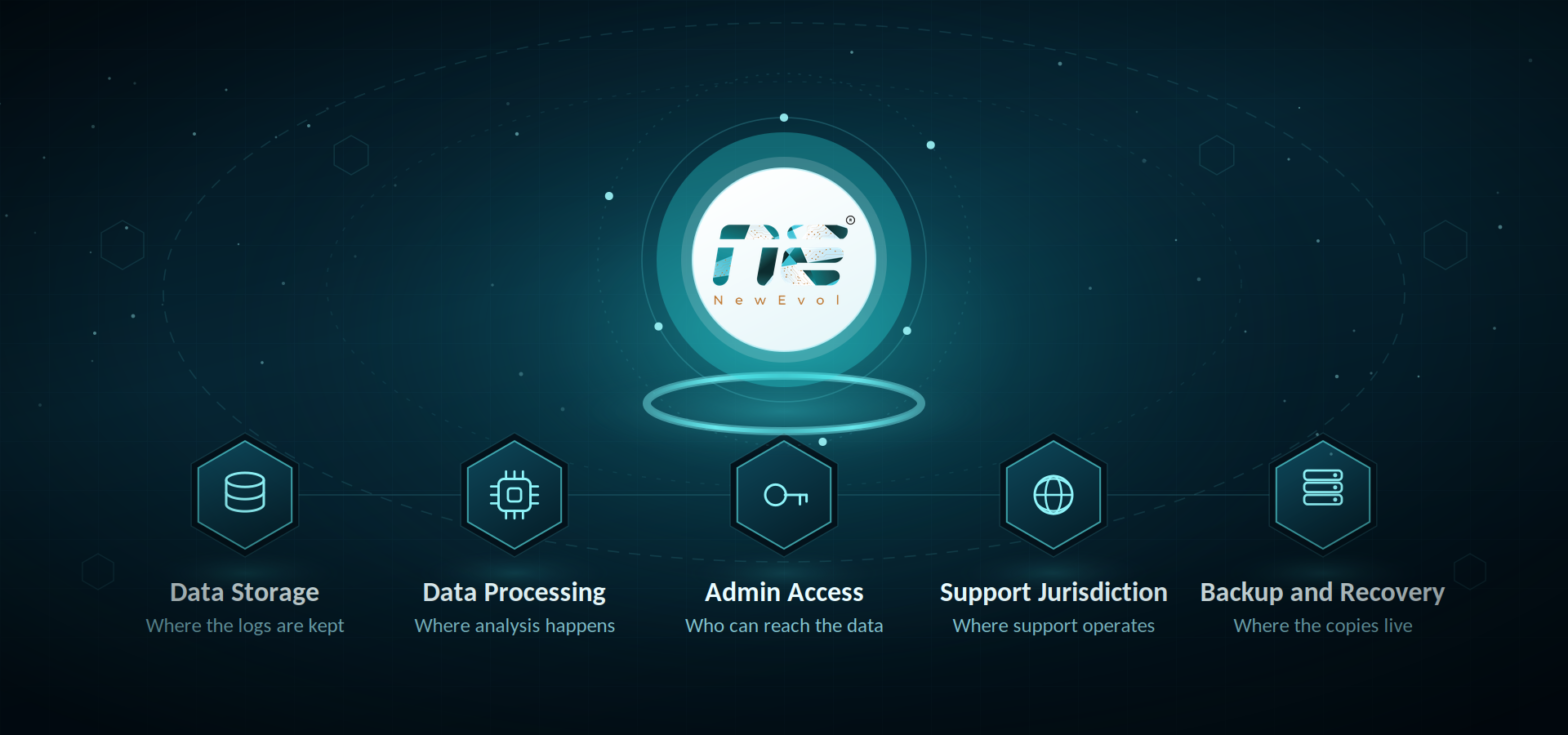
On-Prem SIEM for UAE Government Entities: A Data Residency Compliance Guide
Most SIEM discussions in the UAE public sector open with one question: is the platform hosted inside the country? It is a fair starting point, but it rarely settles the issue.
A SIEM does not simply store logs. It moves, copies, indexes, analyses, and backs them up, and it exposes them ...
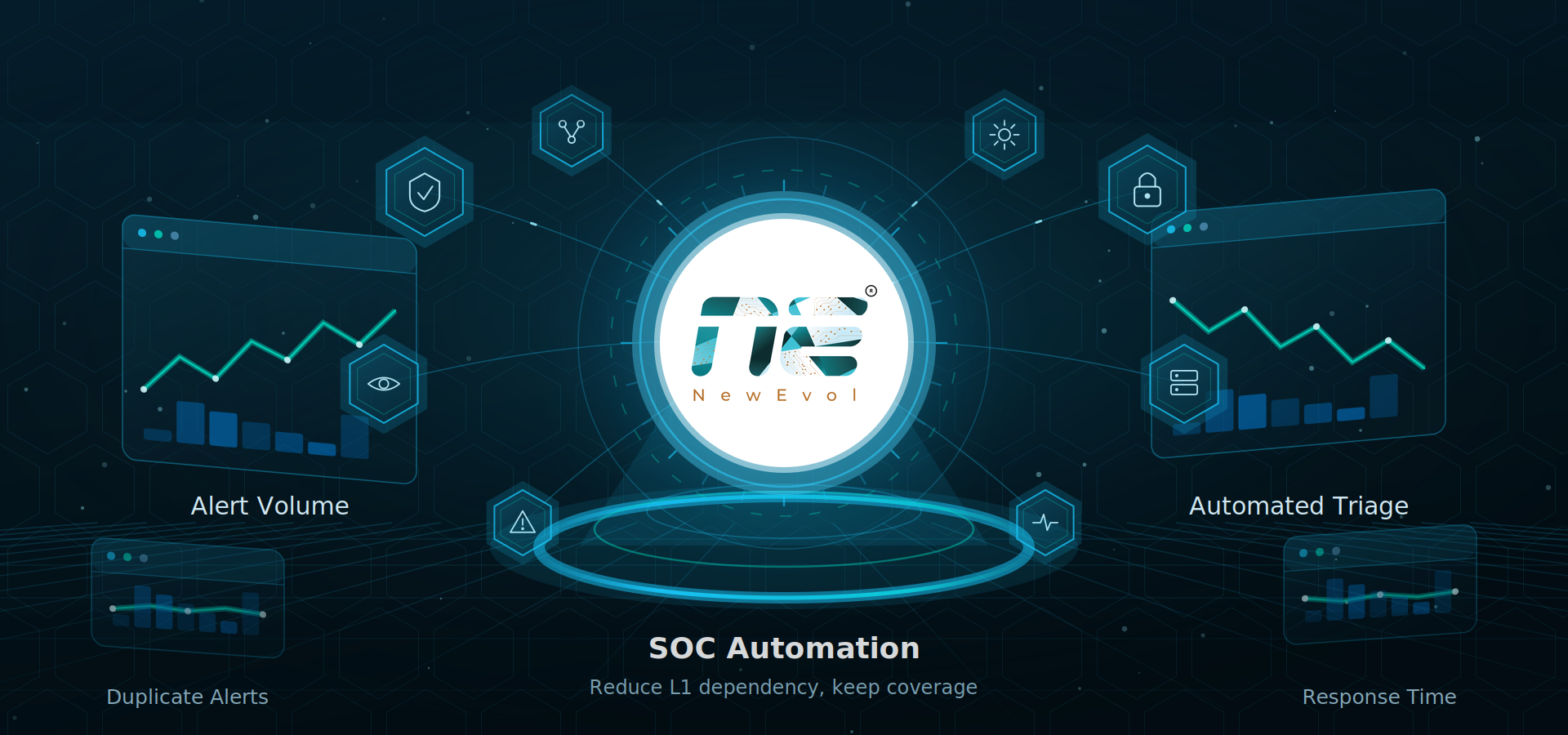
SOC Automation: How to Reduce L1 Analyst Dependency Without Losing Coverage
Most security operations teams do not have an L1 problem. They have an alert design problem that L1 analysts are quietly absorbing.
When a SOC feels understaffed, the usual response is to hire another tier-one analyst. But look at what those analysts spend a shift doing: closing the sam...
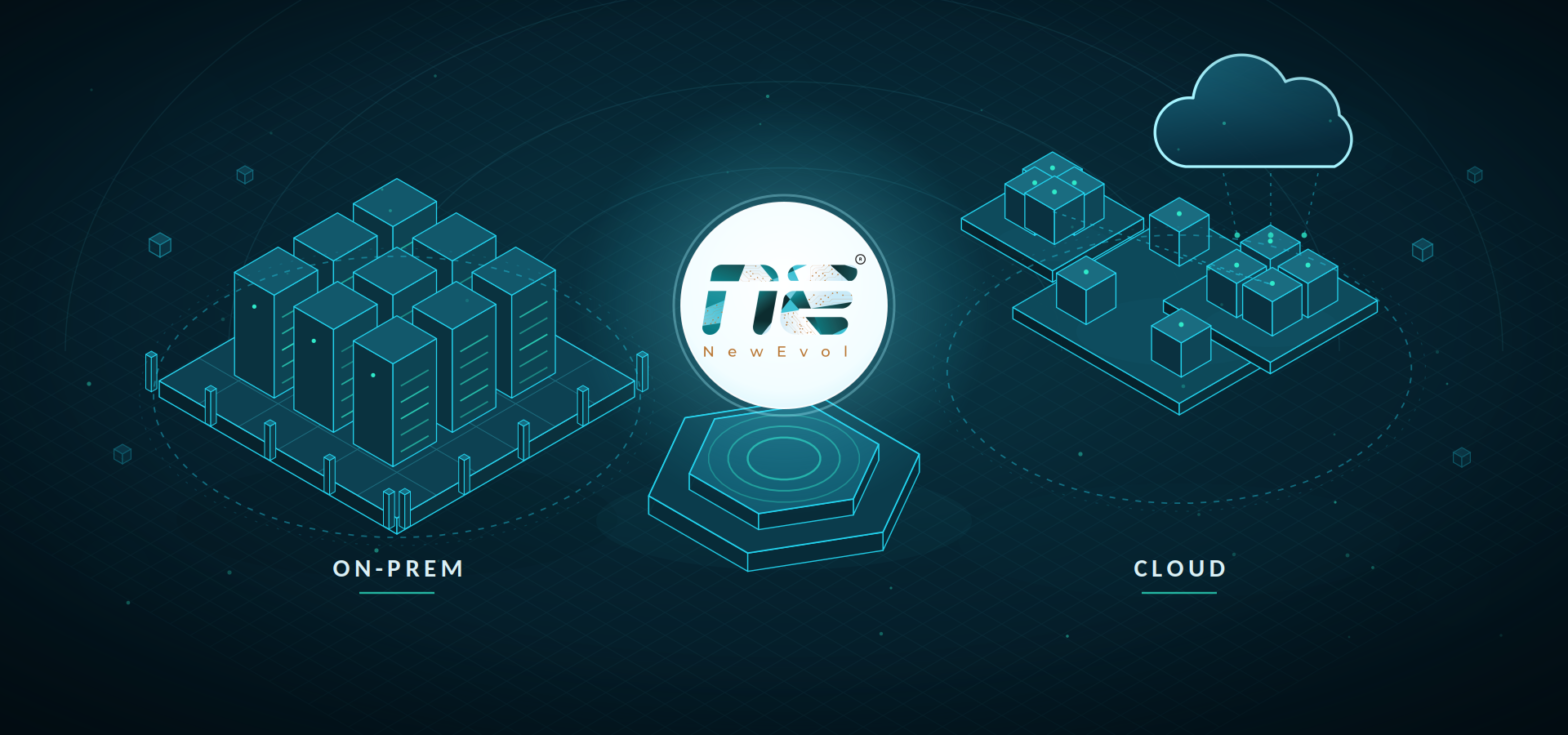
DPDP Act Compliant SIEM: Should Indian Enterprises Choose On-Prem or Cloud?
Most conversations about SIEM architecture and India's Digital Personal Data Protection (DPDP) Act start in the wrong place. A security leader asks whether the law permits a cloud of SIEM. A compliance head asks whether keeping logs in the data centre is safer. A vendor answers with whichever ...
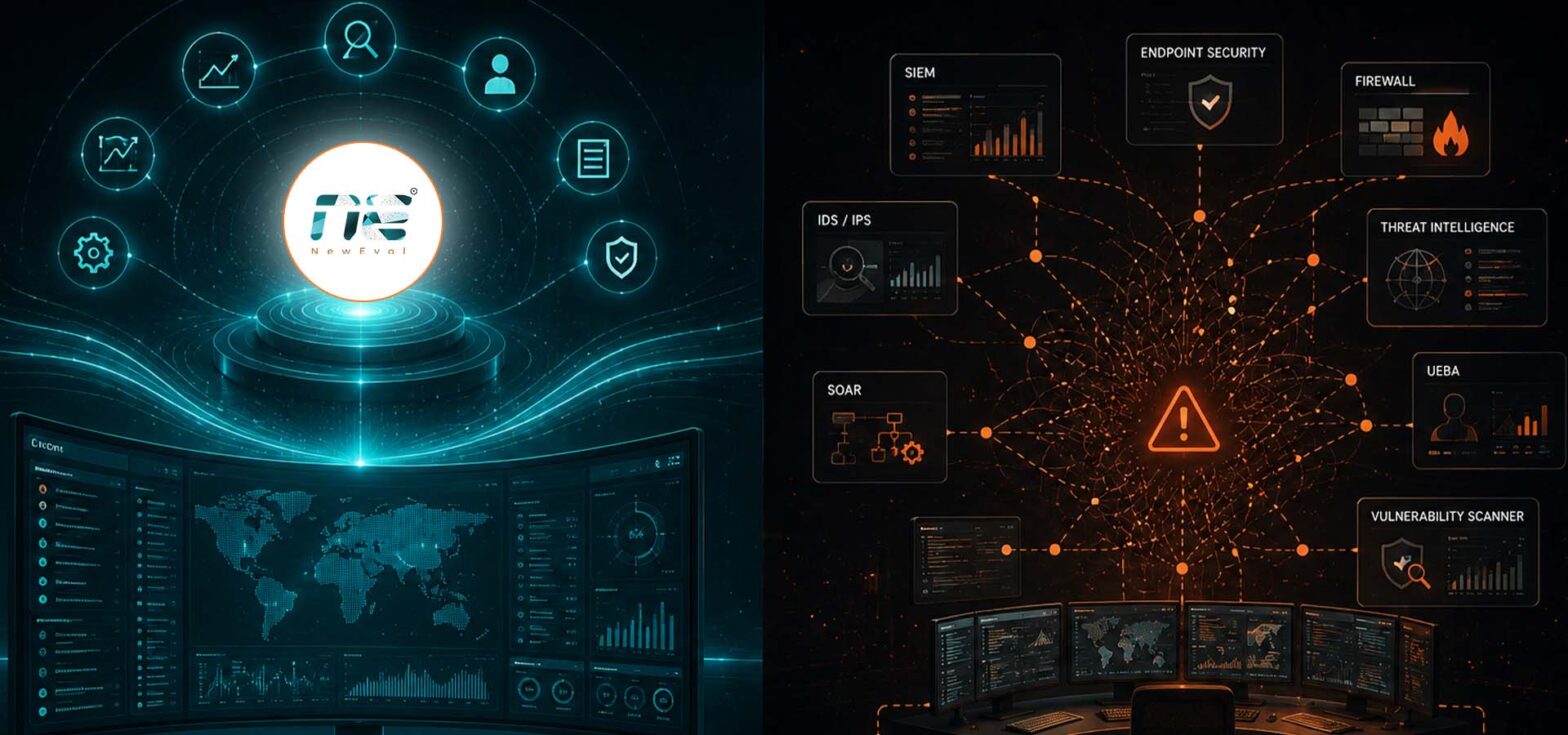
Threat Hunting Without Hidden Per-Module SIEM Costs
Threat hunting has moved from a nice-to-have activity to a core part of proactive security operations. Instead of waiting for alerts, security teams now actively search for signs of compromise across logs, endpoints, network traffic, and cloud environments. This shift has changed what organiza...