
SIEM
SAMA Cybersecurity Framework: SIEM Requirements for Saudi Banks
The Saudi Central Bank (SAMA) Cyber Security Framework mostly reads as a governance document. It covers leadership, risk management, operations, and third-party security, and describes each area in terms of principles, objectives, and control considerations. A bank's security team has to go on...

Threat Hunting Costs: How Per-Module SIEM Pricing Limits Coverage
Most SIEM buying decisions start with a price comparison. Security leaders review quotes, compare licence tiers, and pick the option that fits the budget. That's reasonable, but it can hide a more important question: how much of your environment will your team actually be able to see and inves...

Single Console SIEM: Why Tool Sprawl Wears Out SOC Analysts
Most conversations about security tool sprawl start with a licence renewal spreadsheet. Someone counts the tools, adds up the annual spend, and asks whether the organisation really needs all of them.
That is a fair question, but it measures the wrong thing. The bigger operational cost o...
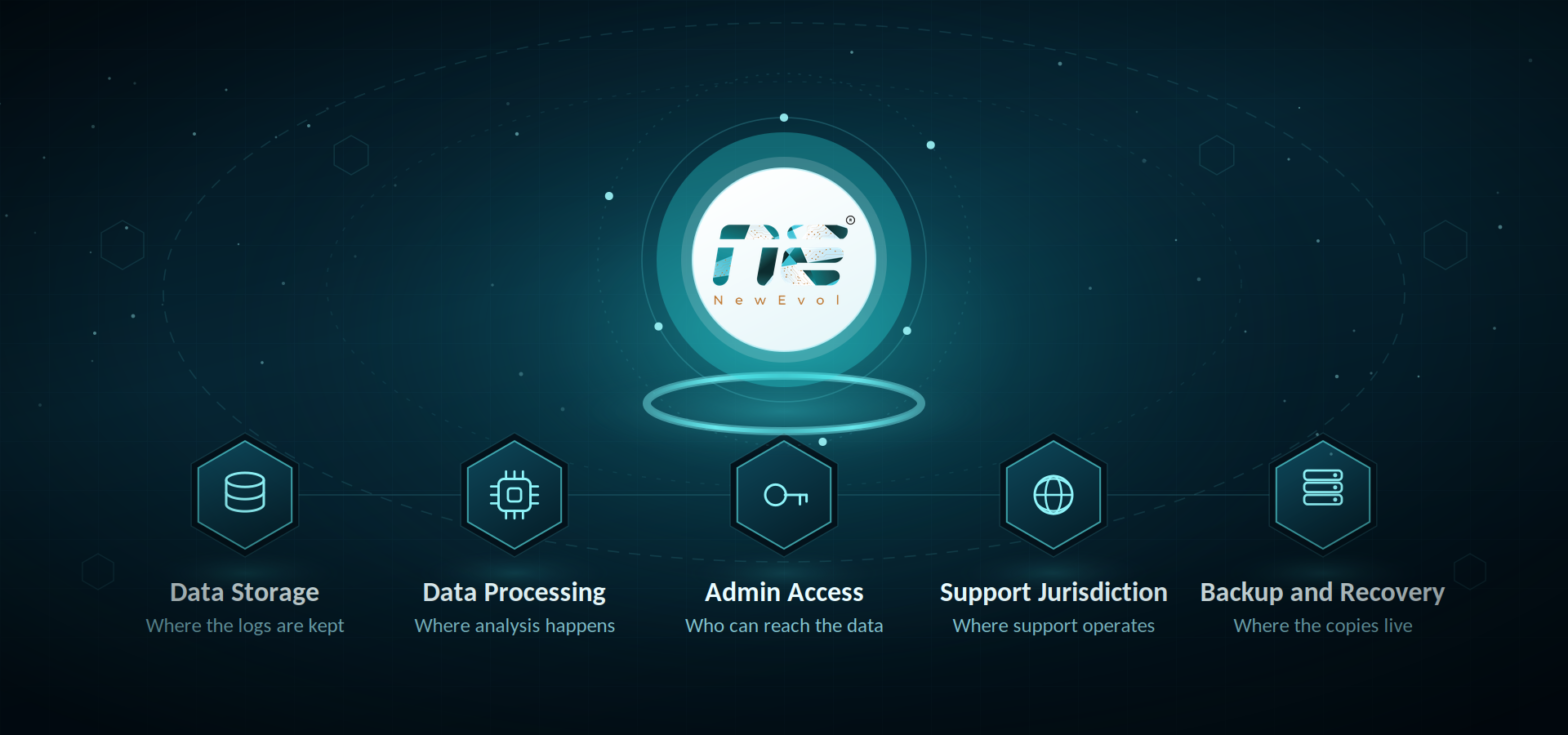
On-Prem SIEM for UAE Government Entities: A Data Residency Compliance Guide
Most SIEM discussions in the UAE public sector open with one question: is the platform hosted inside the country? It is a fair starting point, but it rarely settles the issue.
A SIEM does not simply store logs. It moves, copies, indexes, analyses, and backs them up, and it exposes them ...
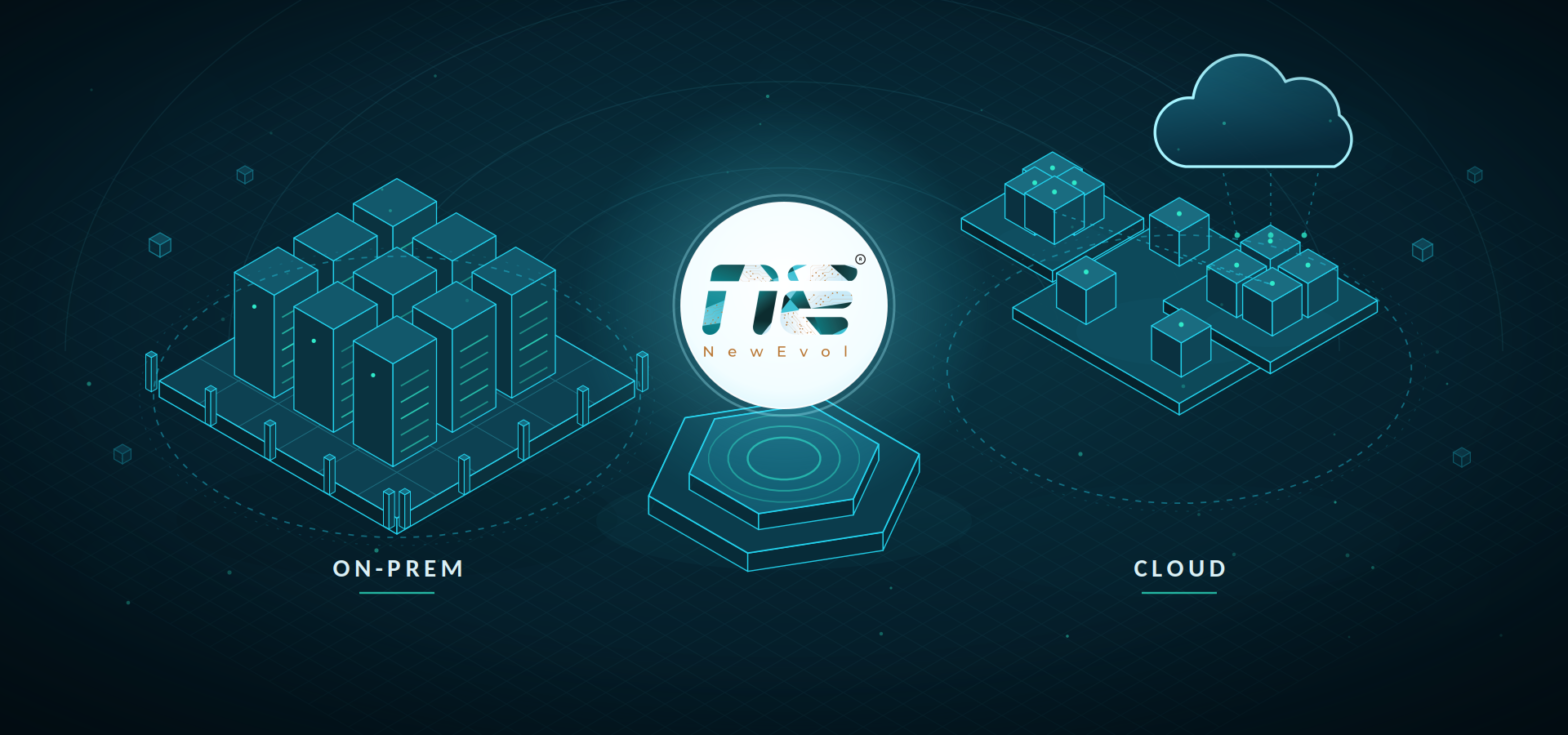
DPDP Act Compliant SIEM: Should Indian Enterprises Choose On-Prem or Cloud?
Most conversations about SIEM architecture and India's Digital Personal Data Protection (DPDP) Act start in the wrong place. A security leader asks whether the law permits a cloud of SIEM. A compliance head asks whether keeping logs in the data centre is safer. A vendor answers with whichever ...
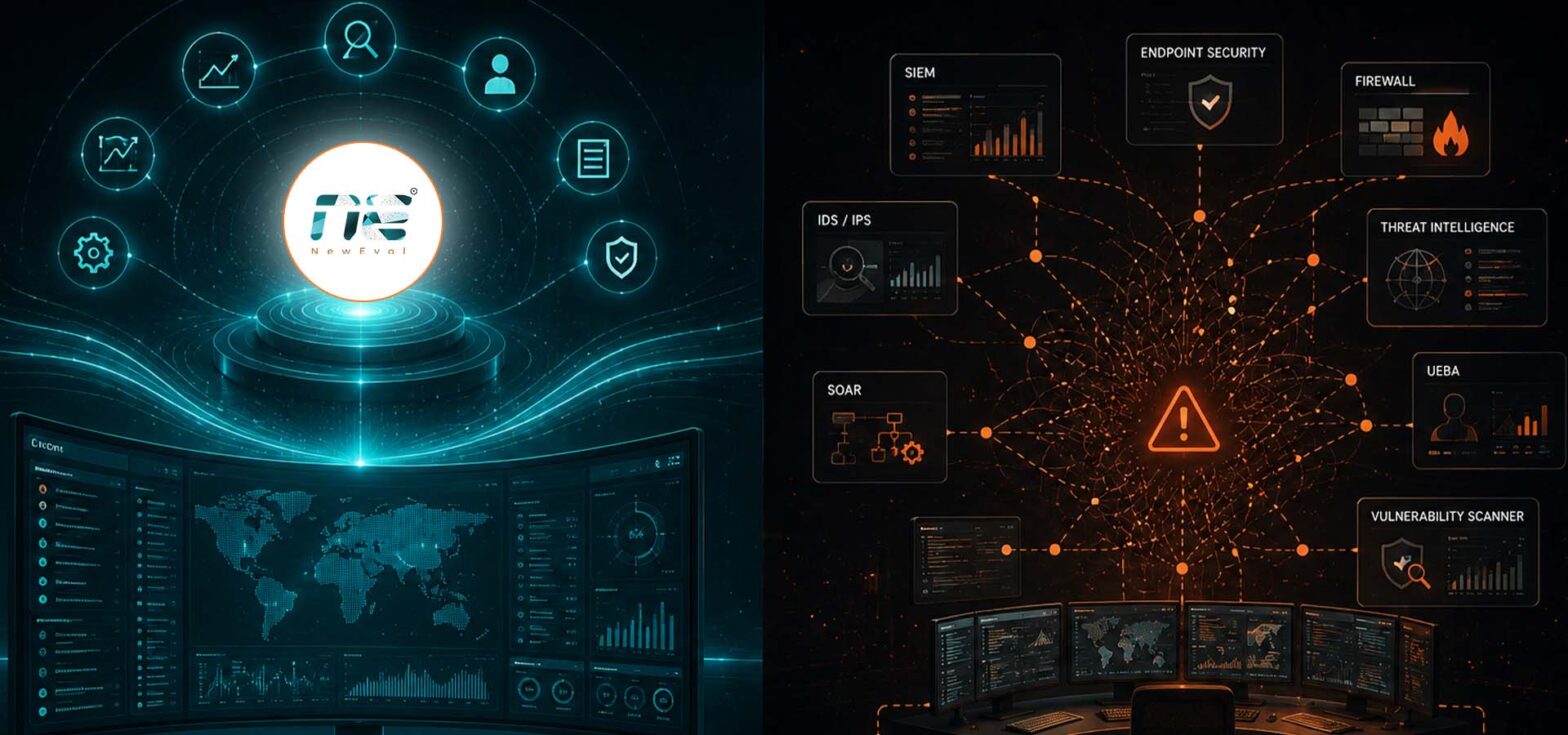
Threat Hunting Without Hidden Per-Module SIEM Costs
Threat hunting has moved from a nice-to-have activity to a core part of proactive security operations. Instead of waiting for alerts, security teams now actively search for signs of compromise across logs, endpoints, network traffic, and cloud environments. This shift has changed what organiza...
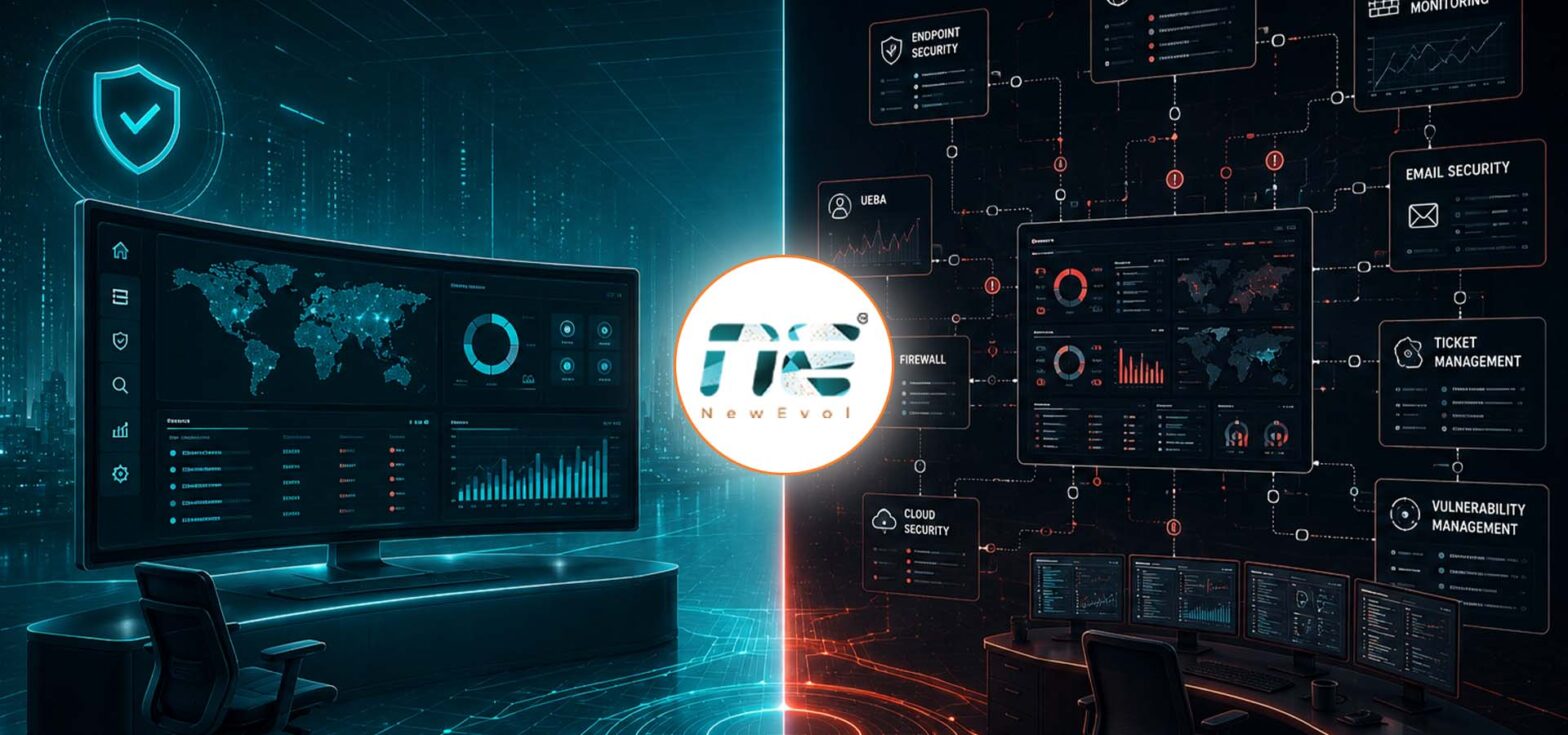
Single-Console SIEM vs. Multi-Tool SOC: A Security Operations Comparison
Security teams face a recurring architectural question: should security operations run through a single, unified SIEM platform, or through a collection of specialized tools working together? This decision shapes analyst workflows, incident response speed, and long-term SOC maturity.
Bot...
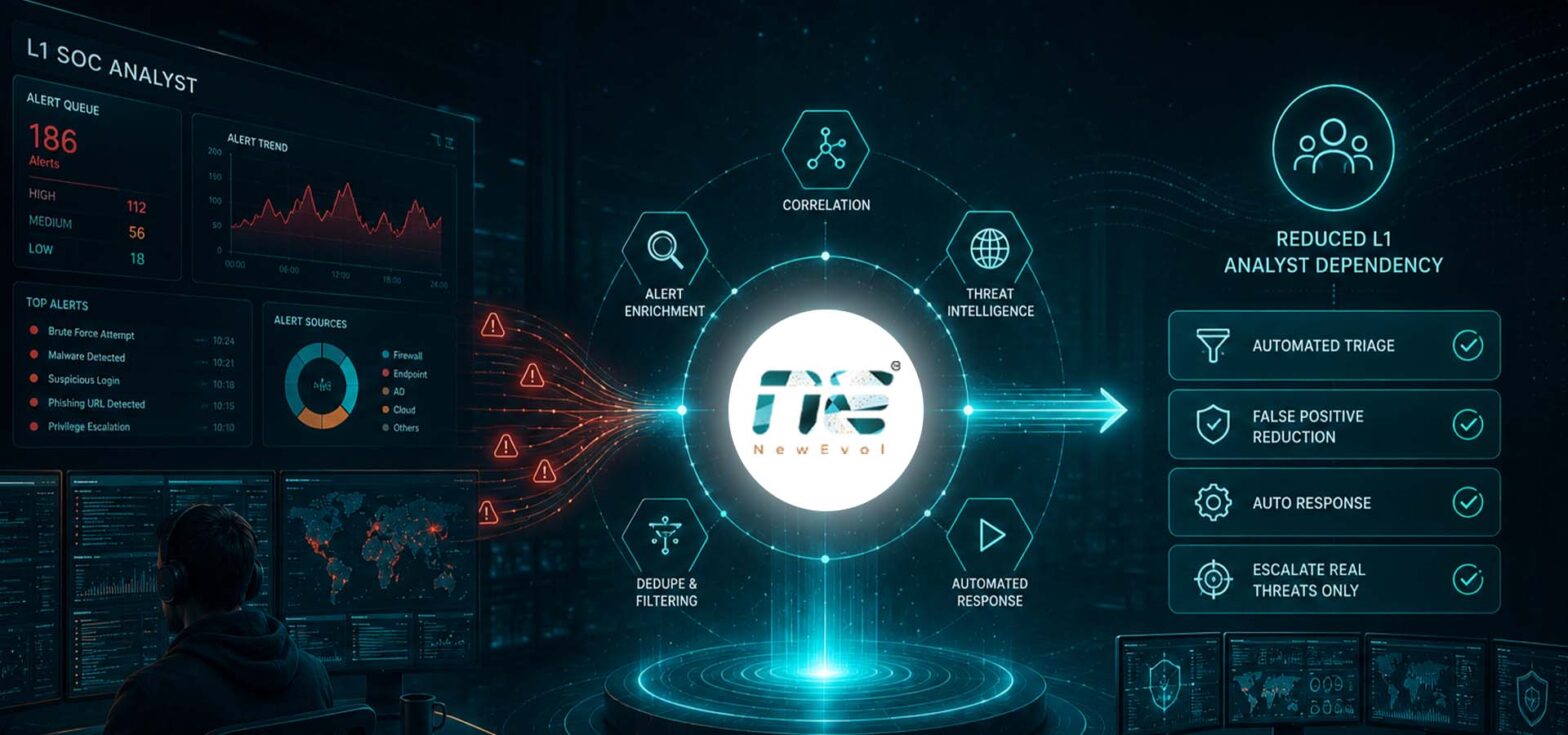
Reduce L1 SOC Analyst Dependency Using SIEM Automation
Security Operations Centers (SOCs) are under constant pressure to investigate more alerts with limited analyst resources. As organizations add cloud platforms, endpoints, applications, identities, and network infrastructure, the amount of security data that teams need to monitor continues to g...
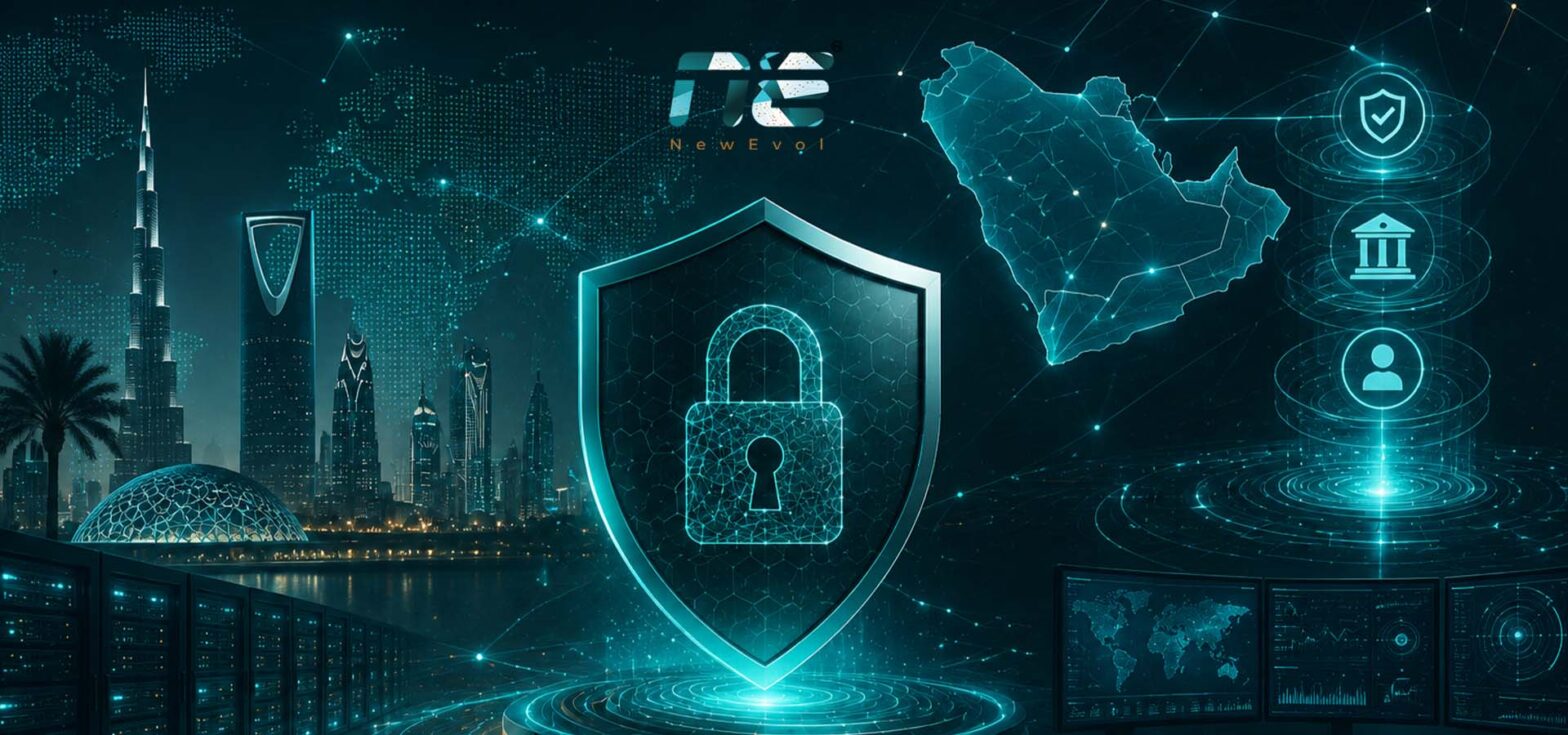
NESA, SAMA and PDPL SIEM Compliance Explained
Organizations across the Middle East face an increasingly complex regulatory environment. Governments and regulators have introduced cybersecurity and data protection frameworks that require businesses to strengthen their security controls, improve visibility into cyber threats, and maintain r...
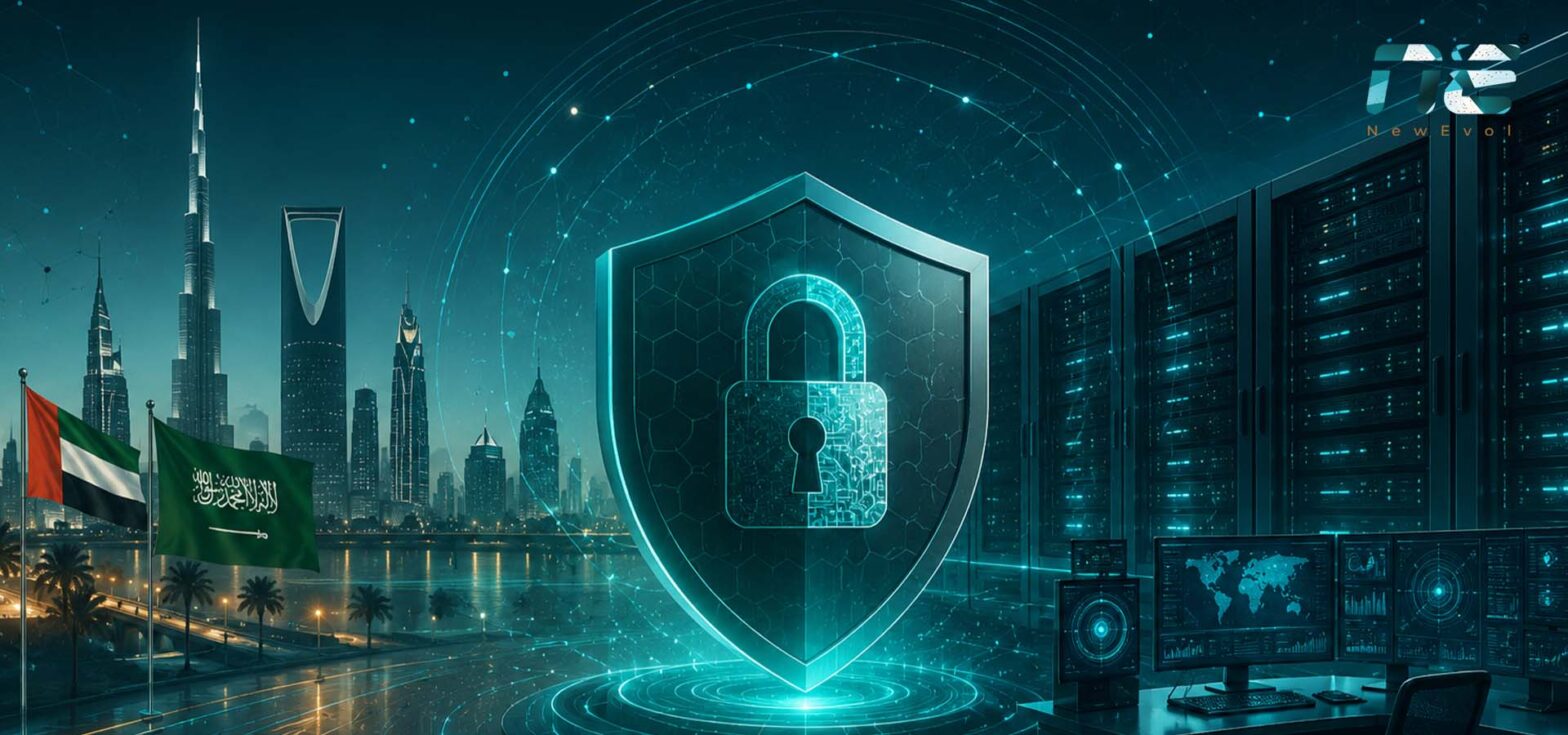
On-Prem SIEM for UAE and Saudi Government SOCs
Government agencies and critical infrastructure organizations operate under some of the strictest cybersecurity requirements in the world. They are responsible for protecting sensitive citizen information, national assets, public services, and classified intelligence from increasingly sophisti...